+(47) 23 89 88 63
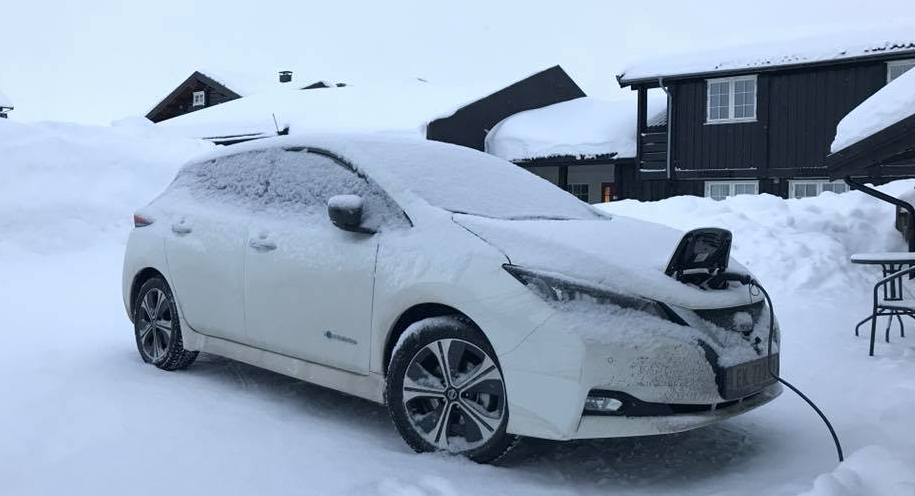
One of the largest insurers in Norway and Scandinavia, Gjensidige, has raised the price of insurance for electric and hybrid cars. The reason: more frequent damage claims and the higher cost of repairing increasingly advanced technology.
Contrary to popular belief, an electric car (Elbil) or a hybrid is no longer automatically cheap to own. According to Nettavisen, the advanced technology in these cars is more expensive to repair — and that is why insurers are raising premiums.
Insurance for electric and hybrid cars is more expensive than for petrol or diesel cars because they cost more to repair, Gjensidige's then CEO Helge Leiro Baastad told Nettavisen.
Expensive repairs
According to Gjensidige, more than half of all newly insured cars were already electric or hybrid at the time, and they represent a completely different type of risk. Cars with a lot of electronics, large screens and electric or hybrid drivetrains are much more expensive to repair. A broken screen, for example, often has to be replaced rather than repaired, Leiro Baastad pointed out.
Norway is the world leader in electric cars. According to the Norwegian EV Association (Norsk elbilforening), three times as many such cars were sold in Norway as in Sweden over a 12-month period, almost ten times as many as in Finland and about 25 times as many as in Denmark or Iceland. By 2024, almost nine in ten new cars sold in Norway were fully electric.
Read Also: 5 TIPS FOR FINDING THE BEST CAR INSURANCE IN NORWAY
What this means for electric car owners
- Compare offers every year. Prices for the same electric car can differ a lot between insurers, and it is free to switch.
- Check the battery cover. Some policies, typically Superkasko, cover wear or loss of capacity on the battery (Batteri) for a certain number of years — others do not.
- Look at the deductible (excess). A higher deductible (Egenandel) lowers the premium, but you pay more yourself after a claim.
- Keep your Bonus. Your no-claims discount (Bonus) has a big effect on the price — small damage is sometimes cheaper to pay yourself.
Read Also: SWITCHING ELECTRICITY SUPPLIERS IN NORWAY: THE 400 NOK SHORTCUT
Fewer benefits, more uncertainty
Buying an electric car in Norway paid off largely because new owners were exempt from most taxes and fees. Many consumers have become less sure whether these benefits will last — and with reason: since 2023, electric cars have paid VAT (Merverdiavgift, MVA) on the part of the price above NOK 500,000, as well as a weight-based registration tax. Together with higher insurance premiums, this makes owning an electric car more expensive than before.
The trend is not limited to Norway. In 2017, the American insurer AAA raised insurance premiums for Tesla owners by around 30%, citing more frequent and more expensive claims for the Model S and Model X than for comparable cars.
A year earlier, in 2016, Lloyd's of London — the British insurance market and the oldest in the world, bringing together insurers from around 200 countries in syndicates — was the first to withdraw from insuring Tesla car owners because of frequent and expensive faults.
About Gjensidige
Gjensidige was founded in 1816 and is one of the largest non-life insurers in the Nordic region, operating in Norway, Denmark and Sweden. At the end of 2018, 200,192 electric passenger cars and vans were registered in Norway — 41% more than a year earlier.
Read Also: BUYING A CAR IN NORWAY | WHAT'S GOOD TO KNOW?
Looking for cover for another type of vehicle? See our vehicle insurance page or the insurance in Norway section.
Read Also: GET A RIGHT COVERED NOT JUST PRICE MATCH | HOW TO FIND THE BEST INSURANCE QUOTES IN NORWAY?
(Gjensidige, Norsk elbilforening, Nettavisen)